Common Causes of Lint Buildup on Circular Knitting Machines & Effective Deduster Solutions
Lint accumulation is one of the most overlooked hidden costs for circular knitting mills. Beyond causing obvious fabric defects and machine downtime, excessive lint buildup significantly increases energy consumption and accelerates equipment wear, putting sustained financial pressure on factories, especially amidst rising global energy costs.
In this guide, we will break down the root causes of lint buildup and provide practical solutions to help you optimize your dedusting system, reduce production waste, and cut unnecessary energy bills.
Why Lint Buildup Is a Critical Problem for Knitting Mills
Many factory managers underestimate the full impact of lint accumulation. Beyond visible fabric stains and holes, it leads to:
- Increased Energy Consumption: Clogged fans and filters force deduster motors to work harder, increasing power usage by up to 50% in severe cases.
- Premature Equipment Failure: Lint penetrates bearings and electrical components, causing overheating and unexpected breakdowns.
- Reduced Product Quality: Loose lint sticks to fabric, resulting in defects that lead to order rejections and customer complaints.
- Safety Hazards: Dry lint buildup creates a significant fire risk in textile workshops.
- Higher Maintenance Costs: Frequent cleaning and repairs add to labor and spare parts expenses.
Top 5 Causes of Excessive Lint Buildup
- Yarn Type and Quality: Different yarns produce varying amounts of lint. Carded cotton yarns generate significantly more lint than combed cotton or synthetic yarns. Low-quality yarns with high short-fiber content are major contributors.
- Machine Operating Speed: Higher machine speeds increase yarn friction, leading to more fiber breakage and lint generation. Running at maximum speed for output often results in more lint and frequent cleaning downtime.
- Outdated or Inefficient Dedusting Systems: Traditional induction motor dedusters have fixed speeds and cannot adjust to actual lint levels. They either run at full power unnecessarily (wasting energy) or provide insufficient dust removal. Worn-out motors and fans further reduce efficiency.
- Irregular Maintenance: Failure to clean filters, fans, and ducts regularly leads to lint buildup that reduces airflow. A clogged filter can cut system performance by over 60%.
- Poor Workshop Ventilation: Inadequate ventilation allows lint to circulate and settle on machines, creating a continuous cycle of contamination.
Practical Solutions to Control Lint Buildup
Establish a Regular Maintenance Schedule:
- Clean deduster filters daily.
- Inspect and clean fans and ducts weekly.
- Check motor performance monthly.
- Replace worn-out components proactively.
Optimize Machine Settings: For high-lint yarns, slightly reducing speed can significantly decrease fiber breakage with minimal impact on overall output.
Upgrade to Modern Energy-Saving Deduster Motors: The most effective long-term solution is to replace outdated induction motors with modern permanent magnet synchronous motors, such as the ShengSong SS74 energy-saving deduster motor.
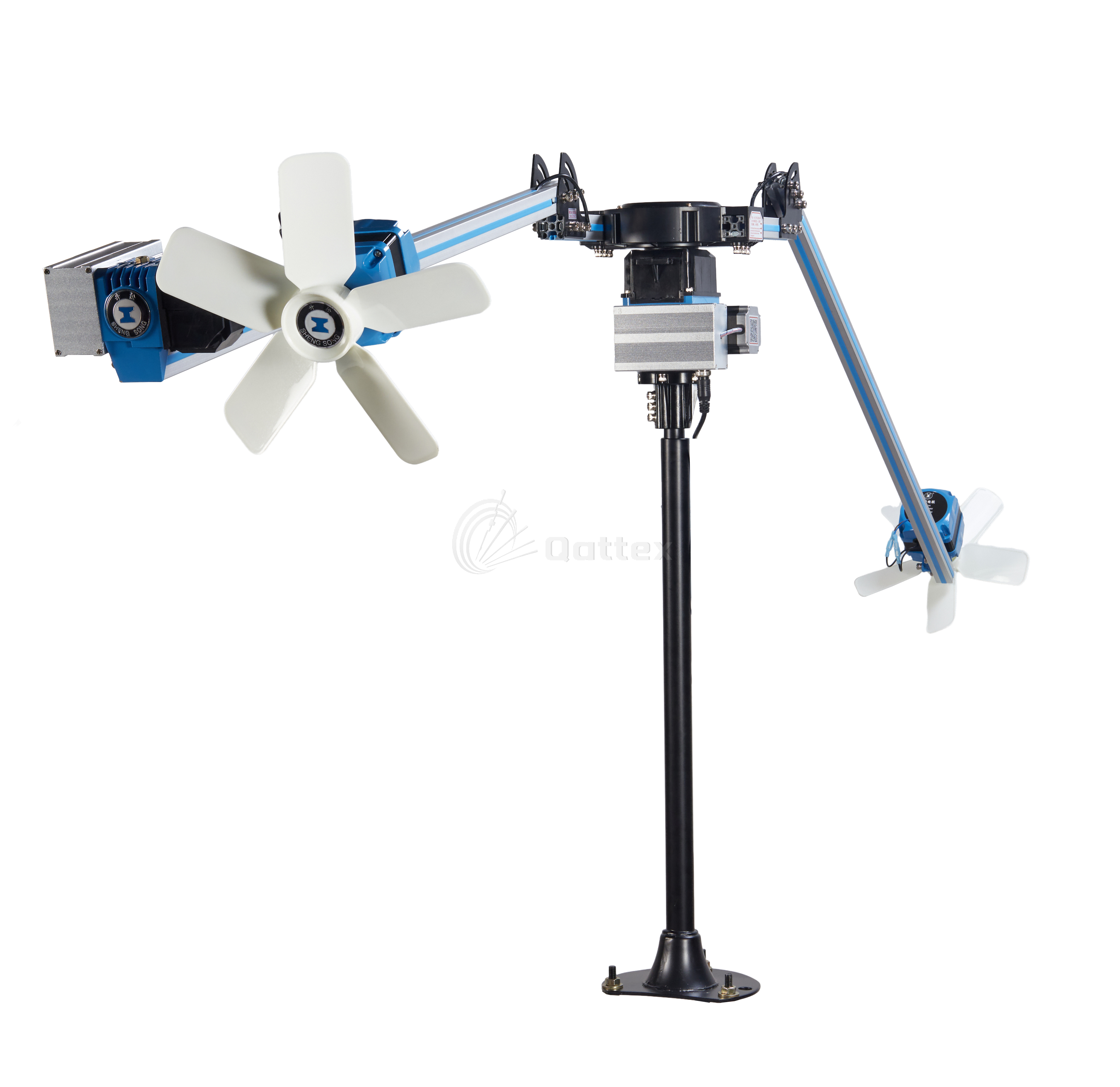
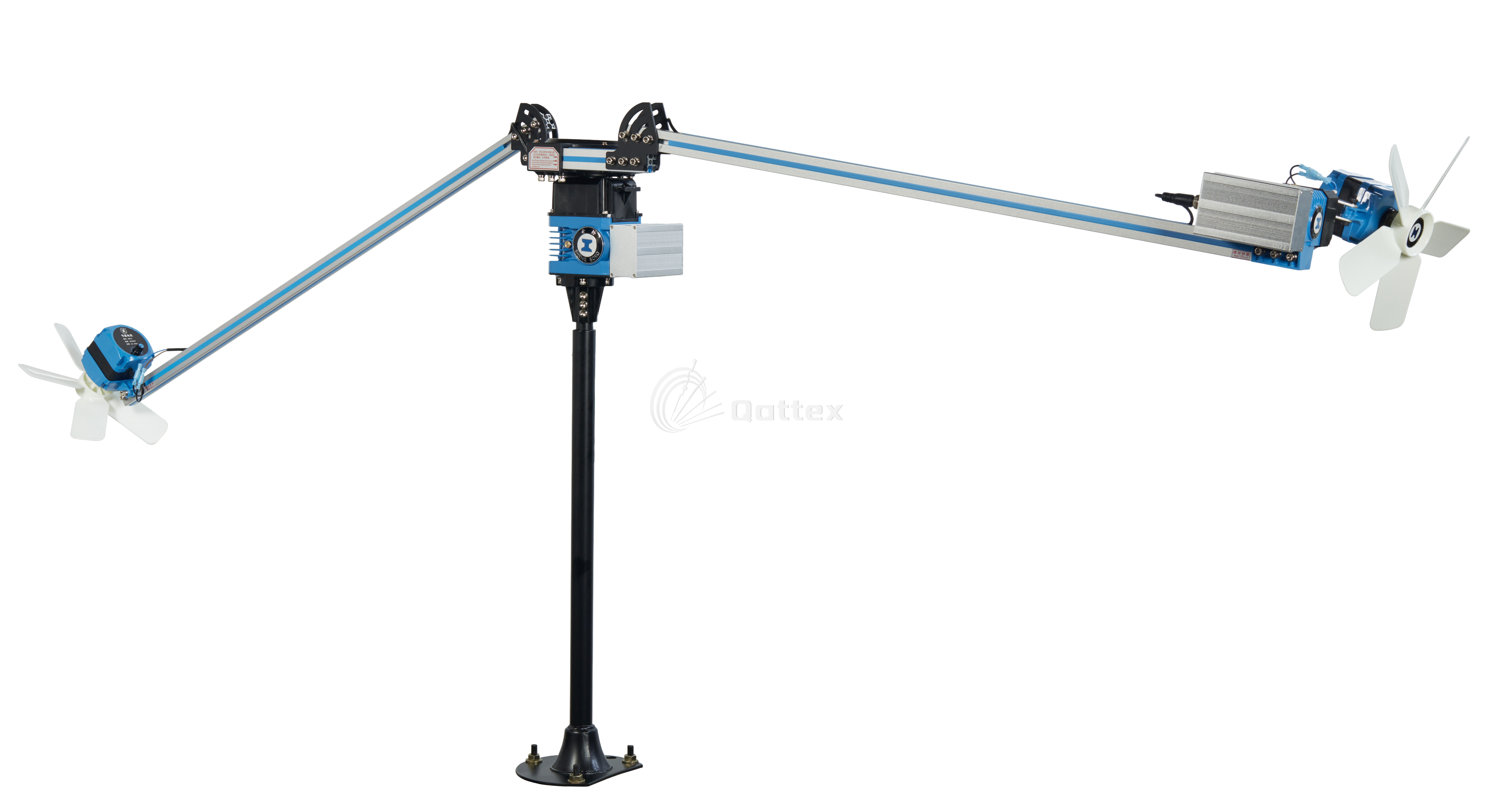
Specifically designed for circular knitting machine upper section dust removal systems, it offers:
- 30-40% lower power consumption compared to traditional induction motors.
- Stepless speed adjustment (0-1400 RPM) to match dedusting intensity to real-time production needs.
- IP44 protection grade, resistant to dust and splashes.
- Overheat protection for safe, reliable operation.
- Direct drop-in replacement for all standard deduster motors, requiring no machine modifications.
Upgrading to SS74 motors not only improves lint control but also reduces daily electricity bills, offering a quick return on investment.
Improve Workshop Ventilation: Ensure proper air circulation. Consider installing additional exhaust fans in high-production areas to reduce airborne lint settling.
Conclusion
Effective lint control is essential for maintaining production efficiency, product quality, and profitability. With energy costs rising, optimizing your dedusting system is more critical than ever.
By implementing the maintenance practices outlined above and upgrading to energy-efficient deduster motors, you can significantly reduce lint-related problems, cut operating costs, and improve your factory's overall performance.
All ShengSong SS74 deduster motors are stocked in our Dhaka local warehouse, with fast 3-5 day delivery anywhere in Bangladesh. For more information or a quotation, please contact our technical team today.


